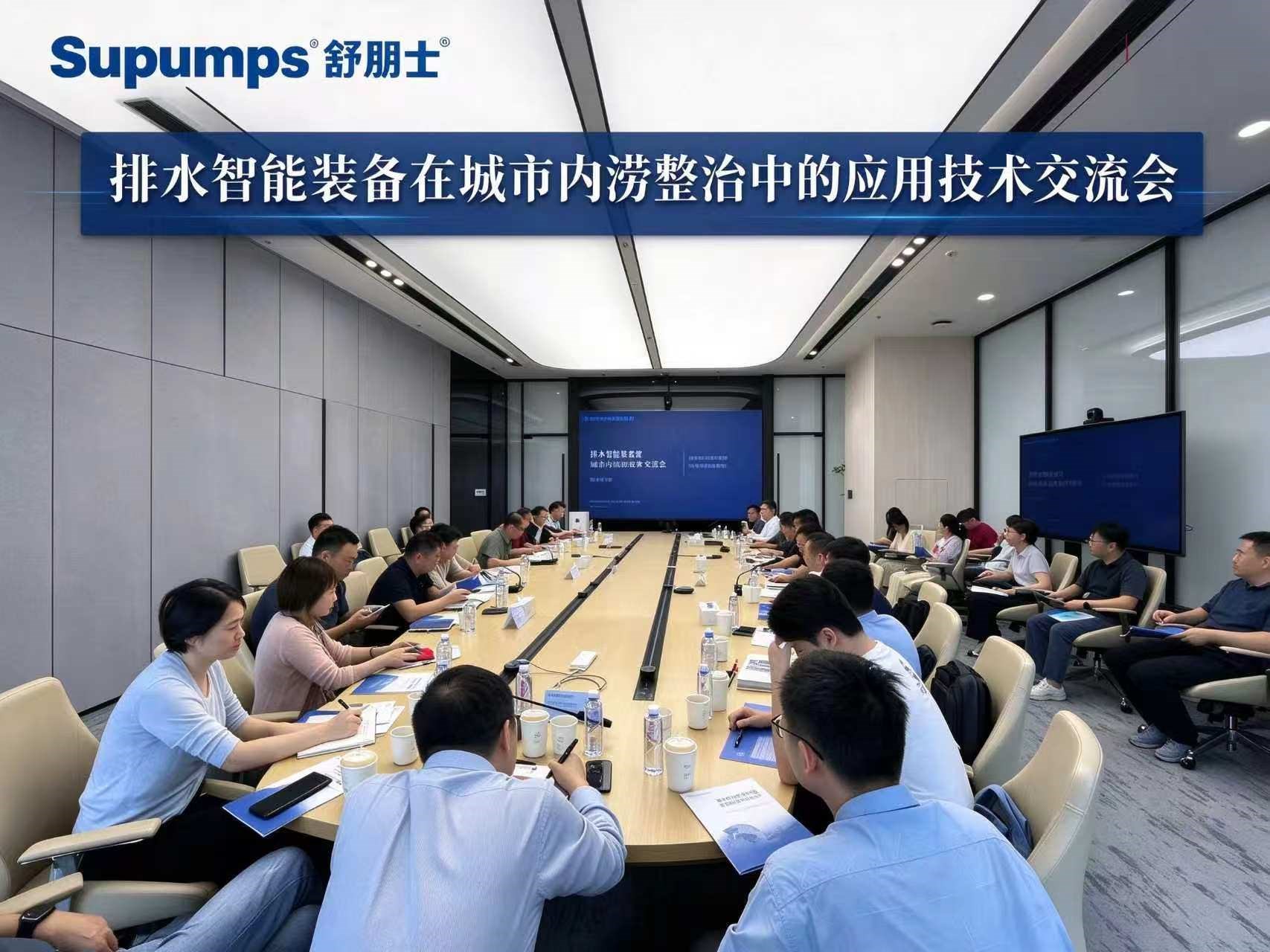
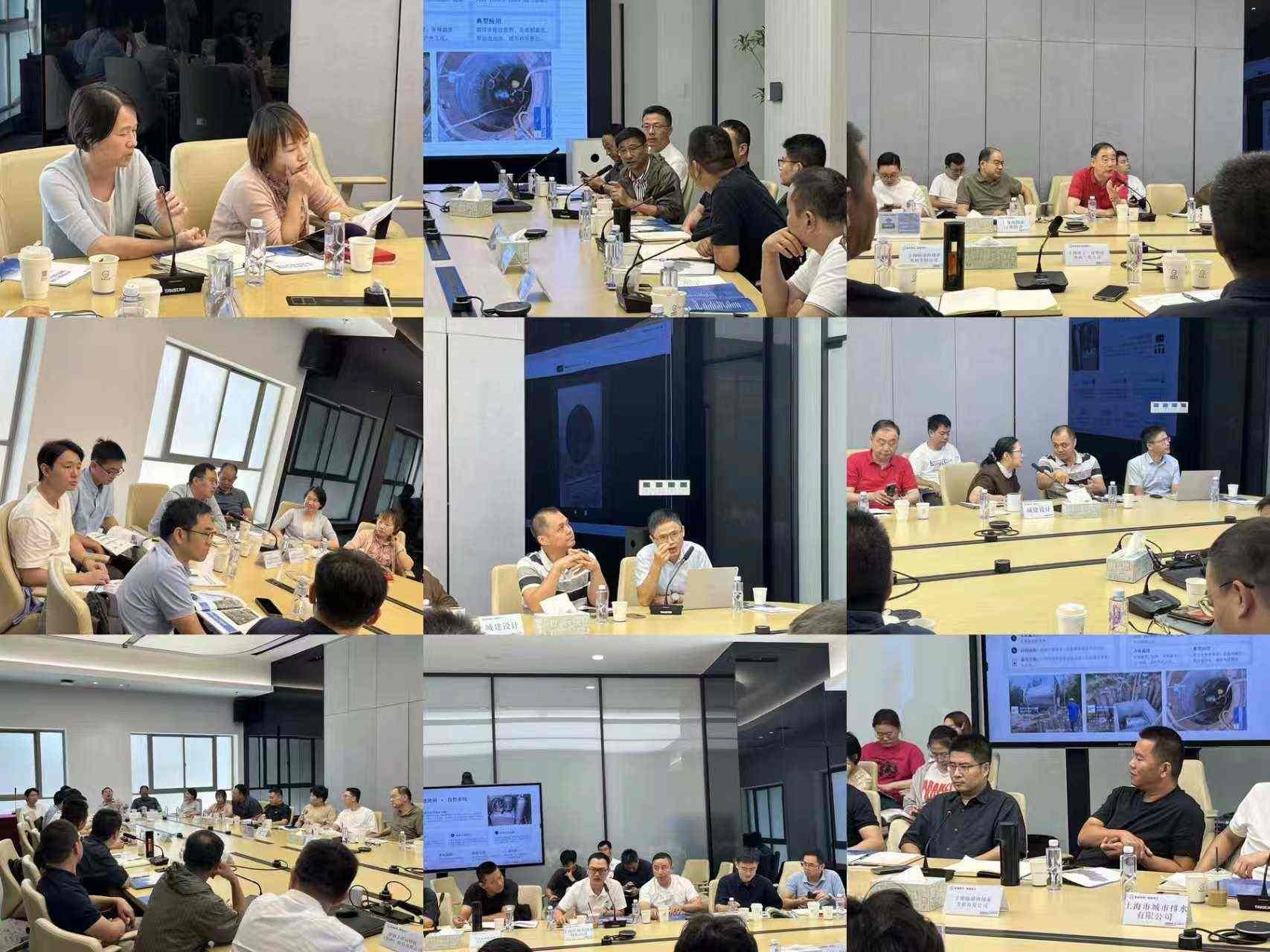
To further advance the intelligent and modernized upgrading of Shanghai’s urban drainage facilities, accelerate the application of cutting-edge technologies and new-generation equipment in drainage operation & maintenance, flood control & drainage, and pipe network governance, safeguard urban aquatic ecological security, and facilitate high-quality development of the drainage sector, the Shanghai Drainage Industry Association held the Technical Exchange Conference on Application of Smart Drainage Equipment in Urban Waterlogging Remediation on September 22. The event served as an industry platform for technical discussions, achievement matching and resource sharing.
Jointly initiated by the Shanghai Drainage Industry Association and undertaken by Shanghai Urban Construction Design & Research Institute (Group) Co., Ltd., the conference brought together key industry enterprises, technical experts and administrative practitioners. In-depth discussions were conducted covering core themes including R&D innovation, intelligent operation & maintenance, and scenario-based application of smart drainage equipment for urban waterlogging remediation, to explore technical innovation pathways and pursue industrial upgrading across the sector.
Su Ping, Deputy Secretary-General, and Wang Wei, Director of Consulting Department from Shanghai Drainage Industry Association; Huang Jin, Deputy Chief Engineer together with the design team of Shanghai Urban Construction Design & Research Institute Group; and relevant representatives from Shanghai Nanhui Drainage Co., Ltd., Shanghai Fengxian Transportation Energy Group Drainage Operation Co., Ltd., Shanghai Pudong Development Comprehensive Maintenance Group Co., Ltd. (Municipal Engineering & Water Divisions), Shanghai Urban Drainage Co., Ltd., Shanghai Lingang Water Supply & Drainage Development Co., Ltd., Shanghai Construction No.1 (Group) Municipal Engineering Company and other institutions attended the meeting. Tian Ming, Chairman of Supumps Environmental Technology (Changzhou) Co., Ltd., led the company’s technical team to participate and deliver keynote presentations.
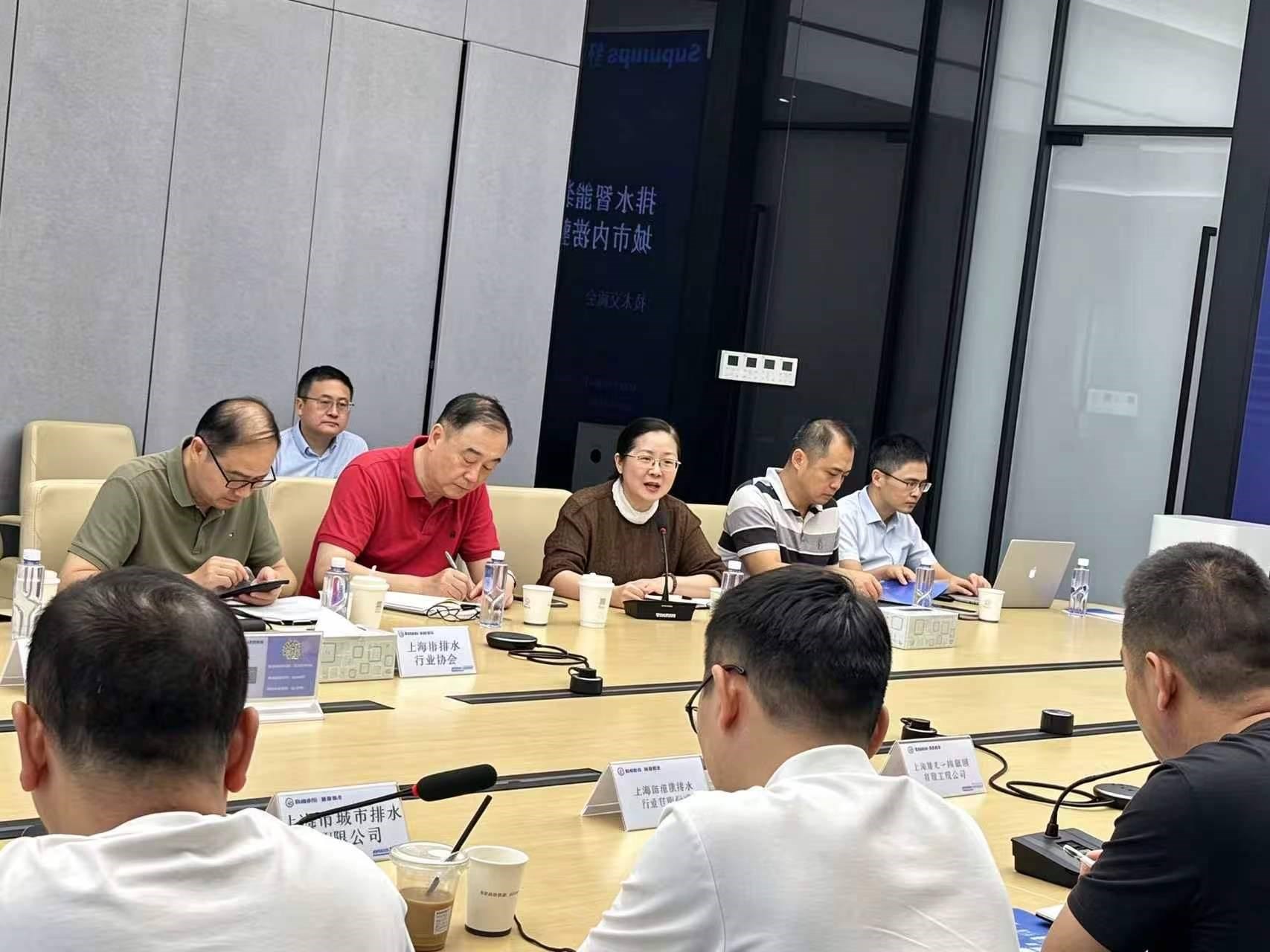
In her opening address, Deputy Chief Engineer Huang Jin noted that following multiple rounds of typhoons and extreme heavy rainfall and entering a relatively stable period, the release of the 15th Five-Year Plan for Beautiful Shanghai Construction in September has opened up new opportunities. Application scenarios and innovation potentials exist everywhere — from the whole city down to individual pump stations, from large-scale facilities to single instruments. Against this backdrop, Supumps’ technical sharing on “Practical Practices Focused on Flood Control and Waterlogging Mitigation” was highly timely. She expected this technical exchange to drive wider implementation of water-sector innovations tailored to local operational conditions in Shanghai.
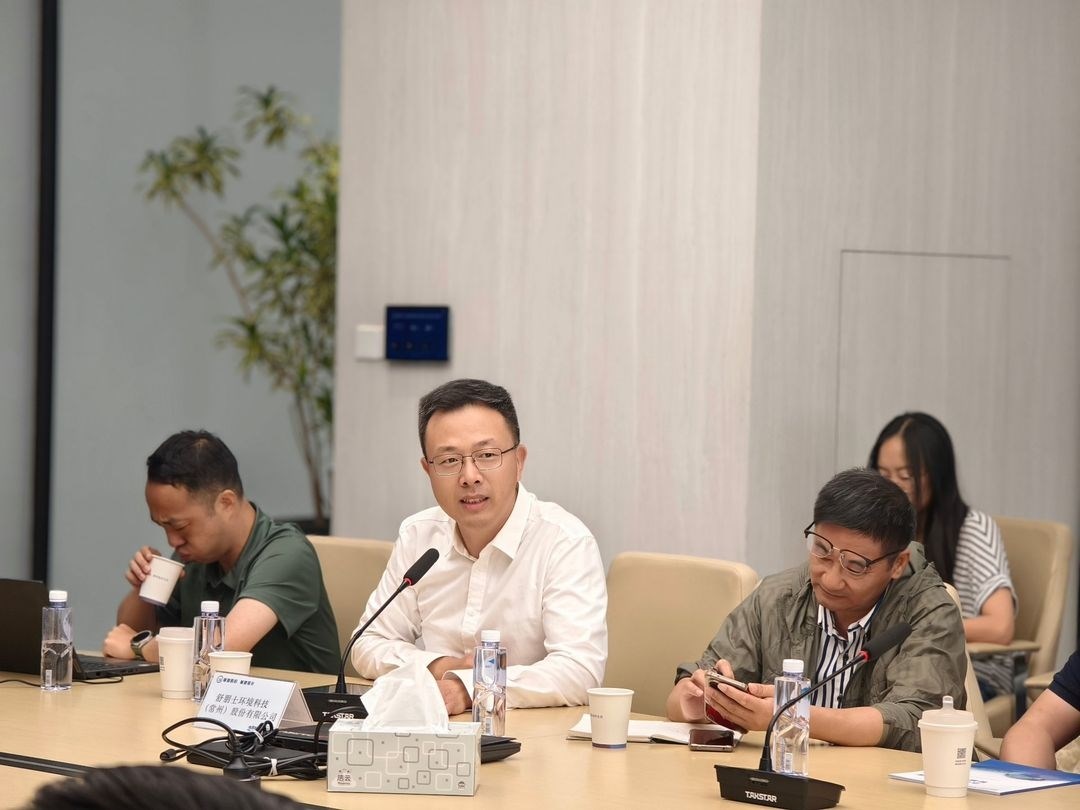
During the conference, Chairman Tian Ming of Supumps reviewed the company’s over-decade-long footprint in the water industry. Supumps has expanded its product portfolio from integrated prefabricated pumping stations and intercepting wells to initial rainwater storage facilities. Through cooperation with German technology enterprises, the company has introduced geotube dredging and dewatering technology, and gradually built a full-chain service system covering project design-engineering implementation-equipment supply-operation & maintenance support. Guided by its vision of “becoming a world-class provider of system solutions for the water industry”, Supumps is committed to securing urban drainage and flood safety with domestically-developed smart equipment.
Du Qingkang, Supumps’ lead technical specialist, then delivered a special technical presentation. He systematically introduced four core equipment series developed for four major application scenarios: drainage capacity enhancement, water level regulation, emergency water cutoff, and pipe network pollution interception, and elaborated on their technical features and real-world engineering practices:
· Integrated Axial-flow Prefabricated Pumping Station: Factory-prefabricated GRP fiberglass tank; maximum flow rate of 4 m³/s and head ranging from 2 m to 15 m. Equipped with CFD anti-sedimentation base, PLC plus dual-level liquid-level control and GPRS remote monitoring to deliver high-flow drainage under unattended operation.
· Flexible Air-bag Valve: Opens and closes via squeezing action of fibre-reinforced rubber sleeve; full specification range from DN300 to DN1000. Features zero leakage and no pressure loss, making it ideal for rain-sewage interception.
· Electric-cylinder-driven Stainless-steel Gate: Mechatronic direct drive with IP68 protection rating. Supports stepless regulation from 0-100% and millimetre-level flow control accuracy, serving as an optimal upgrade for traditional screw hoists.
· Hydraulically-driven Quick-closing Gate: Specially designed for emergencies such as urban waterlogging and sharp river-level surges. The DN2200 maximum-size unit can achieve full closure within 30 seconds and auto-shuts down upon power failure, effectively blocking backflow and protecting pump stations, storage tanks and underground spaces.
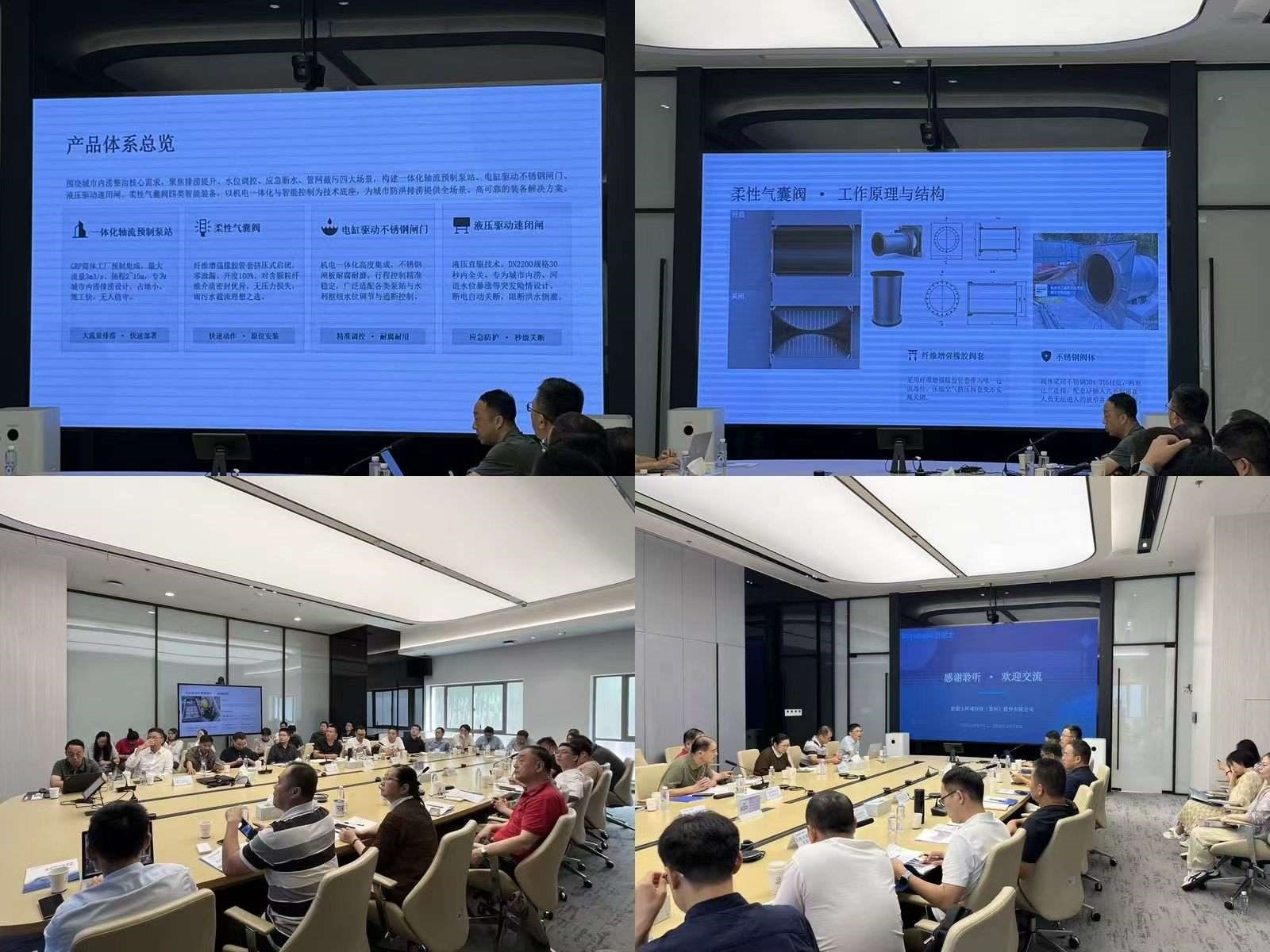
In the engineering-practice segment, Du Qingkang presented real-world performance of Supumps equipment in urban waterlogging remediation and rain-sewage diversion via benchmark projects: Fudan University Drainage Storage Project (3,400 m³ storage capacity), Shanghai Minxing North Drainage Storage Project (12,000 m³ storage capacity), Qianshan River Basin Comprehensive Improvement (Zhuhai), Menghe River Basin-wide Water Environment Rehabilitation (Changzhou), Guanhe River, Lengque River and Zhuxi River interception projects (Yangzhou), and Huashi Town Sewage Upgrade Project (Jiangyin). He also introduced the IoT and big-data-powered 7×24-hour full-cycle smart O&M system, enabling full-lifecycle equipment monitoring, maintenance and emergency repair.
In the interactive discussion session, participants delved into topics based on Shanghai’s local drainage conditions, including roll-out of the new local standard for integrated prefabricated pumping stations in Shanghai, intelligent retrofitting of ageing pump stations, safety guarantees for unattended operation, combined sewer overflow interception and initial rainwater storage. Addressing the demand for “localized enclosed high-capacity forced drainage” raised by Pudong New Area in response to extreme weather, as well as sensor retrofits for existing pump stations to realise minimally-staffed or unmanned safe operation, the Supumps team proposed targeted equipment solutions and referenced proven engineering cases. Chairman Tian Ming further analysed pros and cons of different control modes for integrated prefabricated pumping stations, helping participating organisations select appropriate control strategies for site-specific conditions, and clarifying technical pathways for remote monitoring and safe unattended operation while securing high-flow drainage performance.
Deputy Chief Engineer Huang Jin commented that continuous efforts are required to translate new technologies from design drawings into on-site engineering reality. The design institute will keep track of cutting-edge industry developments and look forward to practical feedback from end-users including O&M managers and project owners to facilitate continuous technological iteration.
Going forward, the Shanghai Drainage Industry Association will continue to act as an industry liaison by organising regular technical seminars and achievement-matching events to accelerate the deployment of smart drainage equipment across Shanghai, optimise urban drainage systems, and reinforce defences for urban flood control and aquatic environmental safety. Supumps will keep empowering water environment governance with technology, collaborate with all stakeholders to build resilient cities, and advance smart water-sector development.